
ERP systems for agriculture can significantly enhance productivity, efficiency, and profitability for agricultural enterprises. By integrating various functions into a single system, provide a comprehensive view of the operations, enabling better management and strategic planning.
The long-term benefits can far outweigh the initial hurdles, making it a worthwhile investment for modern agricultural businesses.
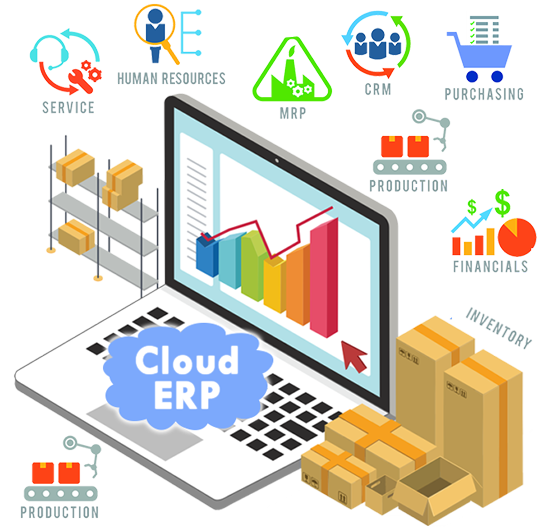
ERP System Overview
13 Modules & Features
These modules work together to integrate and streamline business processes, improve operational efficiency, enhance decision-making, and support organizational growth and competitiveness.

Financial Management
Manages general ledger, financial transactions, AP/AR, and financial reporting.
Human Resources Management (HRM)
Maintains detailed employee records, PTO, performance reviews, and workforce analytics.
Supply Chain Management
Oversees the flow of goods from suppliers to customers, ensuring material and resource availability.
Customer Relationship Management
Tracks client communications, leads, and sales, enhancing customer service and relationships.
Manufacturing
Coordinates production processes to meet demand and monitor inventory levels.
Inventory Management
Provides real-time inventory tracking and optimization based on demand forecasting.
Project Management
Plans and tracks projects, resources, and facilitates billing and team collaboration.
Ecommerce
Manages online store operations, including site design and product management.
Marketing Automation
Automates and optimizes marketing across digital channels to increase leads and sales.
Procurement
Automates purchasing processes to efficiently manage raw materials and finished goods.
Order Management
Manages customer orders across all channels, improving fulfillment and customer satisfaction.
Warehouse Management
Optimizes warehouse operations, including receiving, picking, packing, and shipping.